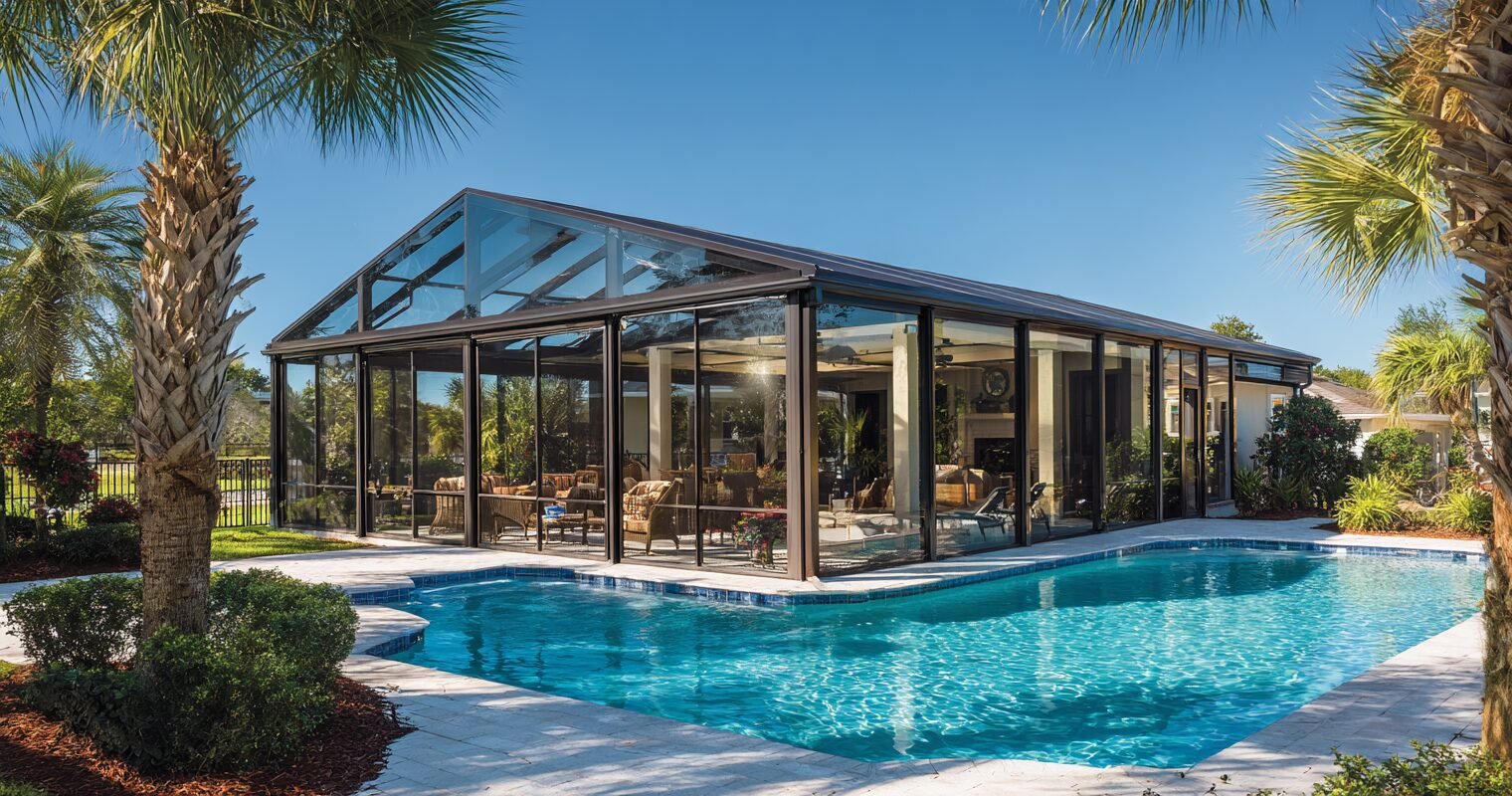
The purchase price is only half the story of pool ownership. The other half arrives in monthly increments: chemicals, electricity, water, filters, and the occasional repair that shows up uninvited. Here’s what a pool really costs to run — and where smart owners save without cutting corners.
The Real Annual Numbers
For a typical residential inground pool, total annual upkeep lands between $1,200 and $4,500, driven mostly by pool type and whether you DIY:
- Fiberglass: $1,200–$2,000/year — the smooth gelcoat surface needs the least chemistry and scrubbing
- Vinyl liner: $1,500–$2,500/year — plus a $3,000–$7,000 liner replacement every 5–9 years that you should amortize into your mental budget
- Gunite: $2,500–$4,500/year — porous plaster demands more chemicals and brushing, plus resurfacing every 10–15 years
A weekly professional service adds $100–$250/month in season. Doing it yourself costs about 30–45 minutes a week and roughly a third as much in materials.
The Weekly Routine
- Test the water (2 minutes): chlorine 1–3 ppm, pH 7.4–7.6. Test strips are fine; a $70 digital tester is better.
- Empty skimmer and pump baskets (5 minutes): a clogged basket starves the pump — the leading cause of dead pumps.
- Skim and brush (10–15 minutes): brushing walls weekly is the single cheapest algae prevention there is.
- Dose chemicals (5 minutes): adjust chlorine and pH based on your test, not on habit.
- Check the water level: halfway up the skimmer opening. Low water runs the pump dry; high water stops the skimmer working.
The Big Cost Levers
Your pump is an electricity bill with a motor attached. A single-speed pump can cost $60–$120 a month to run; a modern variable-speed pump does the same job for $15–$30. If you’re building new, a variable-speed pump is required by federal efficiency rules anyway — if you own an older pool, upgrading pays for itself in about two seasons.
Heat is the luxury line item. Gas heaters cost $200–$400 a month of regular use; heat pumps run a third of that in mild climates; solar covers are almost free heat and cut evaporation — the main way pools lose both heat and water — by up to 95%.
Chemistry neglect is the expensive kind of frugality. A green pool costs $300–$600 to professionally recover, and chronically bad chemistry eats liners, corrodes heaters, and etches plaster. Fifteen dollars of test strips a season is the best insurance in the industry.
Seasonal Costs
In freeze climates, professional closing runs $150–$400 in fall and opening about the same in spring — worth it the first year to learn the procedure, DIY-able after that. In the sunbelt, pools run year-round; winter just means shorter pump schedules and lighter chemical dosing.
Budgeting Before You Build
If you’re still in the planning stage, fold maintenance into the decision now: over 25 years, the maintenance gap between a gunite and a fiberglass pool can exceed $40,000 — bigger than most upfront price differences. Our pool cost calculator shows typical annual maintenance for each pool type alongside the construction estimate, and our pool types guide covers the trade-offs in detail.